
The rapid rise of Buy Now Pay Later (BNPL) has reshaped how consumers shop, budget, and manage short-term finances. Instead of paying the full amount upfront, shoppers can spread costs across multiple installments—often with no interest if all payments are made on time. As this payment model expands globally, one question frequently arises: What is Buy Now Pay Later, and does Buy Now Pay Later affect credit score?
This comprehensive guide breaks down everything beginners need to know, helping you understand how BNPL works, why it’s so popular, the risks involved, and how to use it responsibly.
What Is Buy Now Pay Later?
Buy Now Pay Later is a short-term financing arrangement that allows shoppers to obtain products immediately and repay the balance in structured installments. According to Investopedia, BNPL providers partner with retailers to offer deferred payment options that are typically interest free as long as customers meet the agreed-upon repayment schedule.
At checkout, consumers simply select a BNPL provider instead of paying the full price upfront. Approval is often instant, making BNPL especially attractive to younger shoppers who prefer alternatives to credit cards.
How Buy Now Pay Later Works
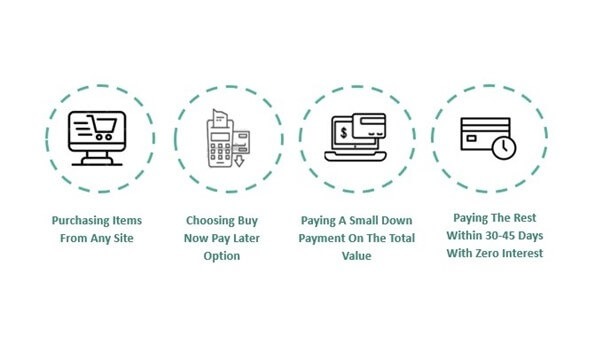
While each provider has its own model, the core process is similar:
- The shopper selects Buy Now Pay Later at checkout.
- The BNPL company pays the merchant immediately.
- The customer repays the BNPL provider in installments.
- Payments occur weekly, biweekly, or monthly.
- Missing a payment may result in late fees or potential credit score issues.
Major BNPL providers such as Klarna, Afterpay, and Affirm have gained mainstream acceptance because they offer quick approvals with minimal requirements.
Why Buy Now Pay Later Became So Popular
BNPL appeals to shoppers who want more control over their cash flow. Forbes notes that the model is especially attractive to budget-conscious consumers and younger buyers who hesitate to use traditional credit cards.
Key drivers of BNPL’s popularity include:
- Fast approval with soft or minimal credit checks
- Transparent, predictable installment plans
- Interest-free repayment options
- Easy integration into online and in-store purchases
- Ability to divide large payments into manageable chunks
BNPL offers the perfect blend of flexibility and convenience, helping it evolve into one of the world’s fastest-growing payment solutions.
Types of Buy Now Pay Later Plans
Different BNPL companies use different repayment models. Understanding these options helps consumers choose the most suitable plan:
1. Short-Term Installments
Payments are typically divided into four or six interest-free installments. This model is the most common and popular among online shoppers.
2. Long-Term Financing
Some BNPL providers extend repayment terms for several months or even years, often with interest rates similar to personal loans.
3. Merchant-Funded BNPL
Retailers pay the BNPL service fee in exchange for higher conversion rates and sales volumes, allowing customers to enjoy interest-free installments.
Choosing the right plan requires reviewing the terms, interest charges, and potential penalties.
Does Buy Now Pay Later Affect Credit Score?
One of the most common questions is whether Buy Now Pay Later affects credit score. The answer varies based on the provider’s policy and the user’s payment behavior. NerdWallet highlights that BNPL can influence credit scores in several ways.
When BNPL Can Affect Credit Score
- The BNPL provider performs a hard credit check
- Payments are submitted late
- The provider reports activity to credit bureaus
When BNPL May Not Affect Credit Score
- Only soft credit checks are used
- Payment activity is not reported
- All installments are paid on time
Many shoppers mistakenly believe BNPL is entirely risk free. Although many plans do not influence credit scores directly, missed payments can harm your financial reputation depending on provider policies.
Benefits of Buy Now Pay Later
BNPL has a number of advantages, particularly for individuals who want more flexibility when managing their spending.
Key Benefits
- Spreads large purchases into manageable installments
- Often interest free when terms are met
- Doesn’t require a credit card
- Easier approval standards than traditional loans
- Helpful for urgent, unexpected, or one-time expenses
When used responsibly, BNPL can be a practical tool for improving cash flow.
Risks of Buy Now Pay Later
Despite its convenience, BNPL carries several risks if used irresponsibly:
- Overspending due to easy approvals
- Managing multiple BNPL plans simultaneously
- Late fees that increase financial burden
- Difficulty tracking repayment schedules
- Possible negative credit impact from missed payments
The simplicity of BNPL is both a benefit and a danger—it’s easy to rely on it too heavily.
Buy Now Pay Later vs. Traditional Credit
Both BNPL and credit cards allow consumers to delay payments, but they function differently.
BNPL Advantages
- Fixed installment amounts
- Often interest free
- Straightforward approval process
Credit Card Advantages
- Helps build long-term credit history
- Offers rewards, cashback, and perks
- Flexible minimum payments
Understanding these differences enables shoppers to choose the right tool according to their financial goals and spending habits.
How to Use Buy Now Pay Later Responsibly
BNPL is most effective when used with discipline. Here are practical strategies for safe usage:
- Track repayment dates—use reminders or calendars
- Avoid stacking too many BNPL plans
- Read terms carefully, especially interest and penalties
- Use BNPL for planned purchases, not impulsive ones
- Ensure your bank account has enough funds for auto-debits
Responsible BNPL usage prevents unnecessary debt and financial pressure.
Buy Now Pay Later and Financial Education
As financial literacy becomes more important worldwide, consumers are increasingly aware of how short-term financing can shape their long-term financial stability. Platforms such as Ultima Markets provide education resources that help users understand budgeting, financial planning, and risk management.
Understanding what is Buy Now Pay Later gives beginners a clearer sense of how digital payments and short-term borrowing influence financial health.
Summary and Key Takeaways
BNPL represents a modern, flexible approach to payment management—but like any financial tool, it must be used responsibly. Knowing what Buy Now Pay Later is and does Buy Now Pay Later affect credit score helps consumers make smarter choices.
Key Takeaways
- BNPL lets shoppers get items immediately and pay later
- Many plans are interest free if all payments are on time
- BNPL can affect credit score depending on the provider
- Overspending is a real risk if BNPL is not managed carefully
- Financial education encourages responsible decision-making
As the saying goes:
“Debt can be a tool—but only if you control it, not the other way around.”
FAQ
1. Is Buy Now Pay Later the same as a loan?
BNPL functions like a short-term loan, but approval is generally easier and terms are more flexible.
2. Can BNPL hurt my credit score?
Yes—if the provider reports your activity and you pay late or default on installments.
3. Are all BNPL plans interest free?
No. Short-term plans are typically interest free, while extended repayment plans may include interest.
4. Is BNPL better than using a credit card?
It depends. BNPL is predictable and often interest free, while credit cards offer rewards and help build credit history.
5. What happens if I miss a BNPL payment?
You may incur late fees, and depending on the provider, the missed payment could affect your credit score.
This article represents the author’s personal views only and is for reference purposes. It does not constitute any professional advice.